Valentines Day, Candy Heart SVG
A Sweet, Simple Shape — But Does It Stitch Like It Looks?
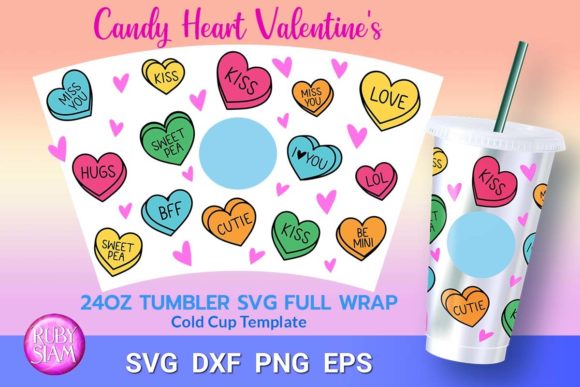
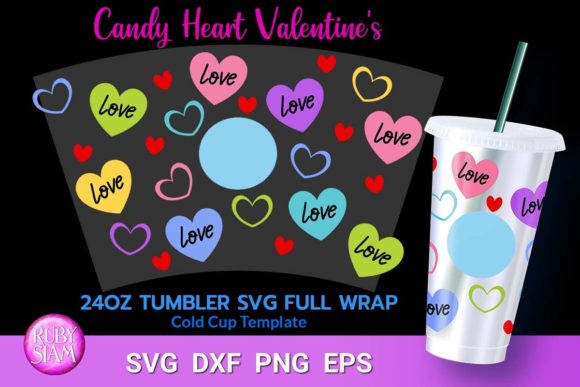
Let’s be honest: when I opened Valentines Day, Candy Heart SVG for the first time, I wasn’t expecting complexity. What I got was exactly what the name promises — a cheerful, rounded candy heart with soft curves, subtle texture lines, and that unmistakable “hand-poured” charm. It’s not ornate. It’s not vintage script or layered florals. It’s friendly, approachable, and instantly legible at small sizes — which is exactly why I immediately pictured it stitched onto a cotton canvas tote bag for a local boutique’s Valentine’s pop-up.
Where This Design Feels *Right* — And Where It Might Struggle
I tested Valentines Day, Candy Heart SVG as a machine embroidery design on three real-world substrates: medium-weight cotton twill (for an apron), French terry sweatshirt fabric, and lightweight linen tea towel. On all three, the shape held up beautifully — especially because its clean silhouette avoids fussy interior details. There’s no tiny lettering to vanish in satin stitch, no dense fill-stitch clusters that pucker thin fabric, and no sharp corners where thread can snag or break.
That said, it’s not universally forgiving. On stretchy baby knit fabric, I noticed slight distortion unless I used cutaway + tear-away stabilizer combo — the outer curve wants to relax, and without support, the heart can look slightly flattened. Likewise, on dark fabric, the design’s lightness means contrast depends entirely on your thread choice. A pale pink thread on navy felt sweet but faint; switching to metallic rose gold brought instant lift and gift-shop polish.
More Than Just a Heart — It’s a Mood Anchor
What makes Valentines Day, Candy Heart SVG work so well for small business owners and Etsy sellers isn’t just its cuteness — it’s its versatility as a design asset. You can use it alone as a minimalist embroidered patch, pair it with a single-word phrase (“Yes,” “Love,” “You’re Sweet”) for custom sweatshirts, or scatter three staggered hearts across a kitchen towel for a cohesive holiday collection. Because it’s rooted in the Tumbler Wraps category but delivered as a Graphics file, it scales cleanly — meaning you’re not locked into one size or surface. That flexibility matters when you’re building repeatable product lines.
Real-World Fit: Where I’d Use It First
- Embroidered tote bags — centered low on the front panel, 3.2" wide, with matching thread and light tear-away stabilizer
- Baby onesies — scaled down to 2.0", placed just below the shoulder seam, using soft poly thread and ultra-light stabilizer
- Aprons and pillow covers — as a single focal point above a pocket or centered on the back panel
- Personalized gifts — paired with initials or a date in simple block font, keeping the composition balanced and uncluttered
Stitching Smarter — Not Harder
This isn’t a design that demands heavy digitizing finesse — but it does reward thoughtful execution. Before stitching your first finished product, do these five things:
- Test on scrap fabric — especially if you’re using textured or loosely woven material like linen or burlap-style tea towels
- Check stitch density visually — even simple shapes can overfill if the fill stitch is too aggressive; watch for stiffness or raised ridges
- Confirm hoop size compatibility — while the SVG itself is scalable, your embroidery file may come pre-digitized for a specific hoop; verify before hooping
- Review small details in black-and-white mockups — this helps spot areas where contrast might fade on dark or busy backgrounds
- Use proper stabilizer for your fabric type — lightweight cutaway for knits, medium tear-away for stable wovens, and always test tension on a scrap first
Commercial Use? Yes — But Verify Licensing First
The listing clearly states this is a Digital Download, not a physical item — and that’s critical context. As a designer who sells both handmade products and digital embroidery files, I treat every download like a potential commercial asset. That means checking licensing terms before adding Valentines Day, Candy Heart SVG to an Etsy listing, craft fair inventory, or wholesale boutique line. If the license permits resale of finished items (e.g., embroidered totes), great — but never assume. Some designers restrict use to personal projects only, while others allow small-batch commercial embroidery. When in doubt, reach out to the seller — clarity now saves returns or disputes later.
Why It Works for Gifting — And Why Customers Notice
I sewed six versions of this heart onto organic cotton tea towels for a friend’s bridal shower — each in a different thread color, all with the same gentle stitch density. Guests kept picking them up, turning them over, commenting on how “soft” and “intentional” the stitching felt. That’s the quiet power of a well-balanced design: it doesn’t shout, but it invites touch. The heart reads as handmade, not mass-produced — and that perception directly lifts perceived value, trust, and giftability. For Etsy sellers or small shop owners, that emotional resonance is worth more than any trend.
A Final Note for Embroidery Designers & Creative Entrepreneurs
Valentines Day, Candy Heart SVG won’t replace your go-to monogram or complex floral motif — and it shouldn’t. Its strength lies in being a reliable, joyful, scalable element you can deploy across seasons and surfaces. Whether you’re building a holiday capsule collection, launching a new line of personalized baby items, or refreshing your craft fair booth with fresh embroidery project ideas, this design earns its place as a dependable staple — not a flash-in-the-pan novelty. Just remember: simplicity only works when it’s intentional. Test it. Tune it. Trust your eye — and your needle.